Notes about the sources
-
In "Ożarów Permanent Settlement Population Book" - By Jaroslaw, if there is no full date of birth, it means that the birth certificate was not registered. And the person was registered based on "The act of knowning" - they bring the child to the town hall, with 2 witnesses that testify they recognize the child and the child's parents and the year of birth.
- He said that for some reason, in the "Act of knowning" they mention only the year of birth, and not the full date of birth.
-
In "Ożarów Permanent Settlement Population Book" :
- The text:
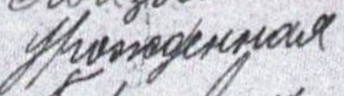 means "Maiden name"
 - The text:
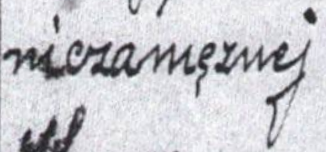 means "Not Married"
- The text:
-
By Jaroslaw:
- In "Ożarów Permanent Settlement Population Book", old record are written in Russian because the Russion Empire was ruling the area until 1918.
- Sometimes the marrige / divorce was not registered with the Polish authorities, it was only done in the Jewish community.
- In cases of unmarried woman, the child gets the mother's surname and not the father's surname.
-
By Jaroslaw, until the beginning of the 20th century, Jewish people didn't use surename, but patronymic surnames, meaning the name of the father.
- That means the surname was changed every generation.
- When they started to use regular surname, sometimes the last patronymic surname was used.
-
By Jaroslaw, in "Ożarów Permanent Settlement Population Book", the registered house "99" is something we cannot link to real address. They are all registered under the same building, but might even lived in different towns.
- They had 3 systems of addresses in the 19th century:
- The police number.
- The book of residence number.
- The actual addresses, with the names of the streets.
- There is no option to link between the 3 systems. So "99" does not help, but we can find other documents that can help us find the real addresses.
- They had 3 systems of addresses in the 19th century: